
By: Paige Sutter, LPC
I can remember the moment I had my first panic attack like it was yesterday. I was only a few weeks into nursing school, and I had my first “check-off” to showcase the new skills I had been learning. Ironically, it was the vital signs check-off. I was instructed to choose a partner, pretend that she was a new patient, and practice taking her pulse, temperature, blood pressure, and respiration. My partner chose to go first, and she frowned as I sat on the table feeling like I was about to pass out. “I think you might be sick…” she said as she read off my vitals to the instructor. I had a fever, and my pulse and blood pressure were much higher than they should have been. Then it was my turn, but the next ten minutes passed by in a blur as my vision faded to black around the edges. Somehow I passed, and my instructor told me to go home and take some Tylenol. By the time I had driven back to my apartment I felt a little shaky, but otherwise back to normal.
Let’s talk about the elephant in the room – specifically, the one that feels like it’s sitting on your chest. The term “panic attack” is thrown around more and more these days, but how do you know if you are really having one? And what can you do to stop it?
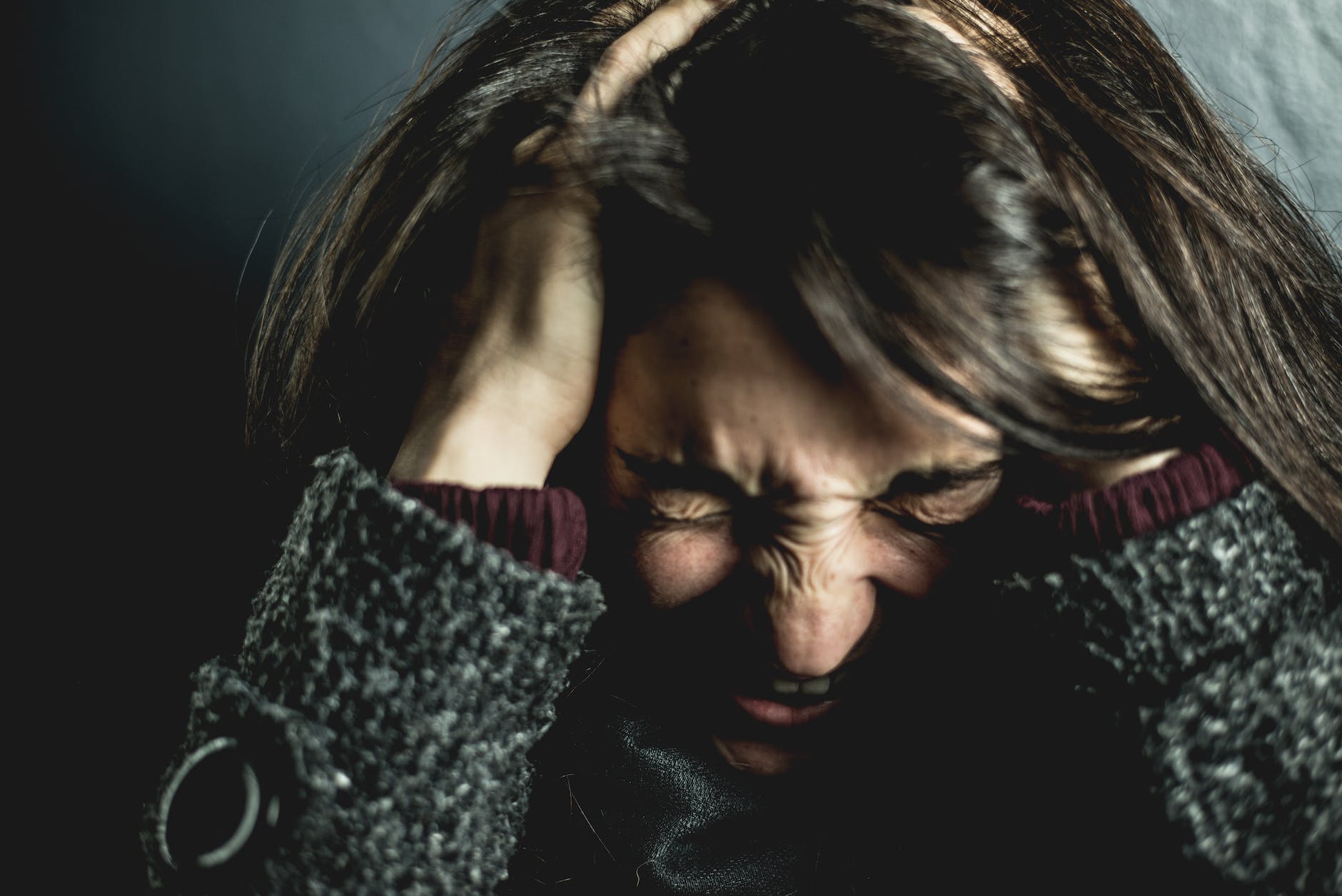
The DSM-5 defines a panic attack as “an abrupt surge of intense fear or intense discomfort that reaches a peak within minutes.” 1 The episode must include at least four of the following symptoms:
- Palpitations, pounding heart, or accelerated heart rate
- Sweating
- Trembling or shaking
- Sensations of shortness of breath or smothering
- Feeling of choking
- Chest pain or discomfort
- Nausea or abdominal distress
- Feeling dizzy, unsteady, lightheaded, or faint
- Derealization (feelings of unreality) or depersonalization (being detached from oneself)
- Fear of losing control or “going crazy”
- Fear of dying
- Paresthesias (numbness or tingling sensation)
- Chills or heat sensations 1
A panic attack is not a formal diagnosis; you can have one without having a mental health diagnosis. However, if you have recurrent unexpected panic attacks you might meet criteria for Panic Disorder. PD is typically diagnosed if you have persistent concern or worry about additional panic attacks or a significant change in behavior related to the attack (for example, avoiding a situation in which you typically have a panic attack). Panic attacks can also occur with a variety of other mental health diagnoses, including anxiety disorders, depressive disorders, PTSD, and substance use disorders.
The panic attack back in nursing school turned out to be only the beginning. I have had several other severe episodes since that time, including at a wedding, in a group of friends, and in the middle of my own therapy. Yes, you read that right – in therapy! Bottom line, there is nothing shameful about having a panic attack. I am here to tell you that panic attack is a clinically documented, proven event, just like an having an asthma attack or getting the hiccups. As soon as I recognized what was happening and began to learn ways to identify my own signs and triggers, I was able to find tips and tricks to help manage them. Here are a few of my favorites:
If you feel the early stages of anxiety: These strategies work well if you notice the first signs of a panic attack, such as racing heart or shakiness.
- “The Senses Countdown” – Remember the five senses you learned in elementary school? (Seeing, hearing, touching, tasting, smelling) Take each of these senses and count down from five to one as you identify them. For example, “Five things I can see are ____. Four things I can hear are _____. Three things I can touch are _____.” Ideally, by the time you reach the last sense you are feeling more calm and more grounded with your surroundings.
- “Listing” – Pick a category that you know a lot about (i.e. characters on your favorite T.V. show, different types of flowers, classic rock bands, etc.) and list everything in that category you can think of. Make sure that it is an easy list for you to remember! Memory can become tricky when you are feeling anxious.
- Sing a song in your head – This one is pretty self-explanatory, but the trick is to pick a song that you know fairly well but still have to focus on to sing. Fun fact: my go-to song is “Fifty Nifty United States” from elementary school.
If you are in the middle of a panic attack: These strategies work well if you are having more severe symptoms, such as struggling to breathe or difficulty concentrating.
- Deep breathing exercises – Close your eyes and concentrate on breathing slowly in through your nose and out through your mouth. It can be helpful to choose two numbers to count as you breathe, making sure that the exhale is always longer than the inhale. For example, I like to breathe in for three seconds, out for five seconds. Pro tip: teach your spouse, a friend, or a roommate how to count and guide you through this process. It can be helpful to hear the steps out loud.
- Grounding exercises – Get as close to the floor as you are able. Lie down, sit with your back against the wall, or stand against the wall if sitting is not an option. Close your eyes and methodically identify each part of your body and what it is touching. For example, “I can feel the cold leather of the chair against my back. I can feel hard plastic under my arms and hands. I can feel my feet pressed into the carpet.” Bonus points if you can take your shoes off!
- Guided imagery – Close your eyes and picture a place where you feel happy and safe. Try to imagine how you experience this place with each of your senses. Focus on what it sounds like, smells like, etc. It can be helpful to practice this when you are feeling calm so it is easier to recall in the moment.
I hope that you find these strategies helpful, and I would love to know what works for you in the comments! However, this list is only a brief introduction and is not suited to help everyone. Many people experiencing panic attacks find that a combination of coping skills like the ones above, counseling, and even medication management are needed to effectively manage anxiety. If you or someone you know is struggling with panic attacks, I would love to schedule an appointment with you to discuss treatment options. Having a panic attack can often be your body’s way of telling you something that it needs. It is my job to help you figure out what that need is and how you can begin to feel more like yourself again
References:
- American Psychiatric Association. (2022). Anxiety Disorders. In Diagnostic and statistical manual of mental disorders (5th ed., text rev.).
 Finding Grace Counseling and Wellness, LLC